
A quick guide and resource collection to help you better understand how to ship hazardous materials
In this guide, you’ll learn how to better ship HAZMAT and dangerous goods per DOT (Department of Transportation) standards, label it properly, and choose compliant shipping carriers. Links to federal sources will be provided so you can better research your niche and stay compliant easily. While ProShip serves as a valuable resource, regulations may evolve. Always refer to the DOT’s links for the latest regulations.
Key Topics Covered
1. Ensure compliance with all regulations by following this checklist
2. Obtain SDS and review the transportation section
3. Identify UN/NA number, proper shipping name, hazard class & packing group
4. Choose certified packaging based on quantity and material
5. Affix appropriate hazard labels and placards per 49 CFR § 172
6. Complete required shipping papers with emergency contact and certification
7. Ensure staff training is up to date
8. Confirm carrier policy, weight limits, and item eligibility before scheduling pickup
9. Retain records and invoices for compliance
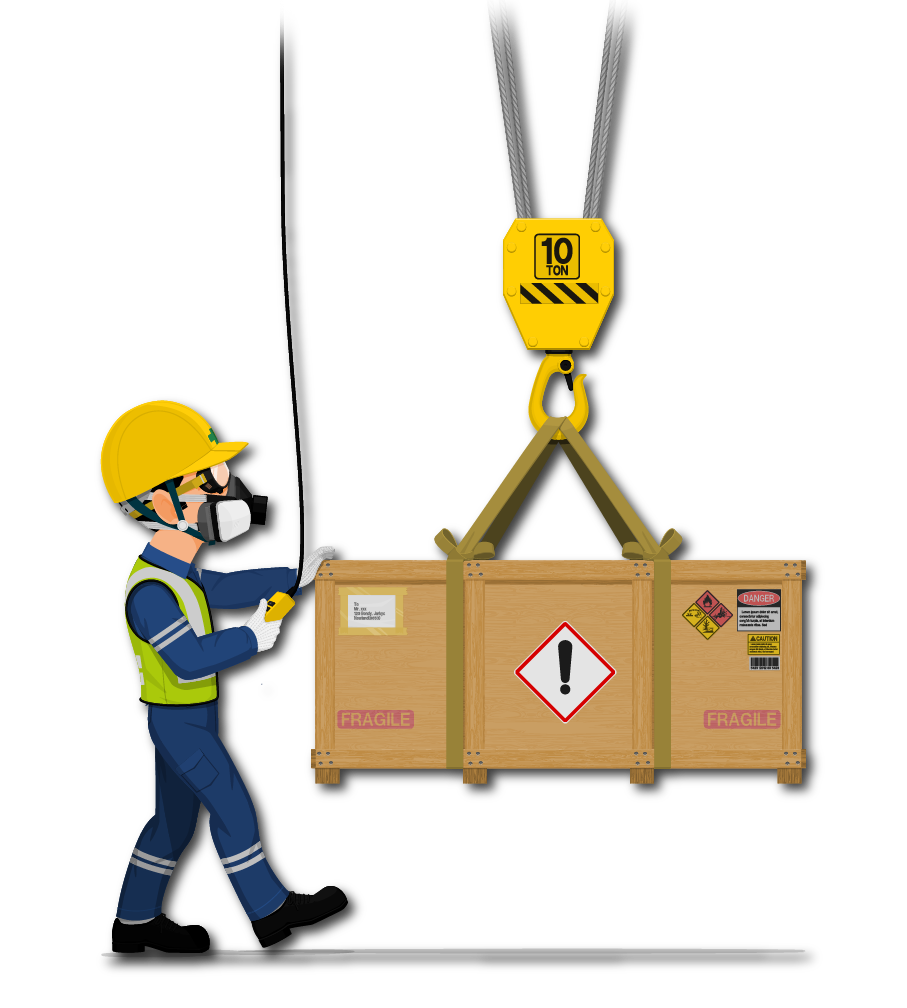
Under the DOT’s Federal Motor Carrier Safety Administration, the U.S. regulates substances that pose risks to health, property, or the environment when transported. These include materials that are explosive, poisonous, flammable, corrosive, radioactive, oxidizing, toxic, compressed gas, or otherwise dangerous.
DOT assigns a UN/NA ID number, proper shipping name, hazard class, and packing group for each item via its Hazardous Materials Table in 49 CFR § 172.101.
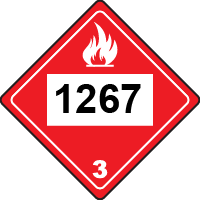
Hazard classes range from Class 1 (explosives) to Class 9 (miscellaneous dangerous goods). The following is a table of the classes and examples of the dangerous goods associated. However, this is not an exhaustive list. Refer to the Hazardous Materials Table in 49 CFR § 172.101 for up-to-date information and a more exhaustive list.

Class 1: Explosives
Fireworks, Ammunition, Dynamite, Gun Powder
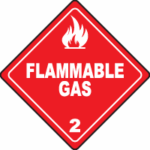
Class 2: Gasses
Aersols, such as spray paint or deodorants, helium cylinders, scuba tanks, propane tanks, pepper spray, fire extinguishers

Class 3: Flammable liquid and combustible liquid
Gasoline, nail polish, acetone, oil-based paint, paint-thinner

Class 4: Flammable solid, spontaneously combustible, and dangerous when wet
Matches, Magnesium powder, Sodium Batteries, Sulfur, Coal, Fish oil

Class 5: Oxidizer and organic peroxide
Ammonium nitrate fertilizers, Bleach, Hydrogen Peroxide (industrial strength)

Class 6: Poison (toxic) and poison inhalation hazard
Pesticides, Arsenic compounds, cyanides, Mercury, Tear gas substances, Biomedical waste
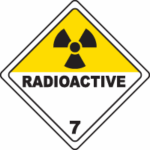
Class 7: Radioactive
Medical isotopes, Isotopes used in research, uranium, plutonium, Cobalt-60, x-ray machines
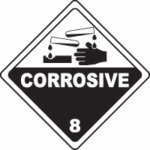
Class 8: Corrosive
Battery acid (sulfuric acid), Hydrochloric acid, Ammonia solutions, Mercury thermometers and barometers

Class 9: Miscellaneous
Lithium batteries, Dry ice, Magnetized materials, Airbag inflators, First-aid kits
Learn More:
More information regarding the nine classes of Hazardous Materials, along with a graphic, can be found at the Federal Motor Carrier Safety Administration: https://www.fmcsa.dot.gov/regulations/enforcement/nine-classes-hazardous-materials-yellow-visor-card
1. Classify the Material
Determine the classification of the material or product to know how to proceed.
Use the material or product’s Safety Data Sheet (SDS/MSDS), specifically the “Transportation Information” section, to determine:
– UN/NA 4-digit ID Number
– Proper shipping name
– Hazard class & packing group
Some materials (e.g., explosives) may require PHMSA pre‑approval before shipment.
References
2. Select Suitable Packaging
Choose UN-certified or DOT-spec packaging that meets testing criteria in 49 CFR Parts 173–180, ensuring containment during vibration, pressure, and transit.
References
3. Label & Placard Accurately
Labels must clearly display hazard class symbols, orientation arrows, UN number, and handling instructions. For larger shipments, affix placards. Labels must be durable, English‑language, on contrasting background, and not obscured.
References
4. Carrier Partner
Depending on your available carriers and contracts, contact them ahead of time to know if they’re certified to deliver the dangerous goods and learn their specific processes. While there will be overlap, every carrier has differences in how they approach shipping hazardous goods. Having a conversation with them and adapting to their process will ensure you stay compliant and avoid any penalties or delays.

5. Prepare Shipping Papers

Thoroughly prepare the documentation, which should include:
– UN/NA Identification Number
– Shipping Name
– Hazard Class
– Packing Group
– Quantity
– Packaging Type
– Emergency Contact
– Name and signature certifying compliance
6. Train Personnel
Anyone involved must receive DOT HAZMAT training within 90 days of role change or hire, and refresher training every three years covering classification, packaging, documentation, and emergency response.
References
Add lead-in sentence here and embed all links.
Every carrier has their own processes and methods to stay compliant in HAZMAT transportation. As well, some carriers refuse to ship certain items. Contact them prior to shipping for more information.
Is your carrier not in the list? Visit their website and search “HAZMAT” or “dangerous goods” to find the relevant information. If that doesn’t work, call them to speak to a representative who will quickly guide you to the relevant information.
If you ever decide compliance isn’t a minefield you want to navigate alone, ProShip multi-carrier shipping software is built for these exact pain points. With 20+ years of shipping software experience, ProShip enables:

Learn how ProShip helps you stay compliant, avoid fines, and let your legal and operations teams sleep better:
